
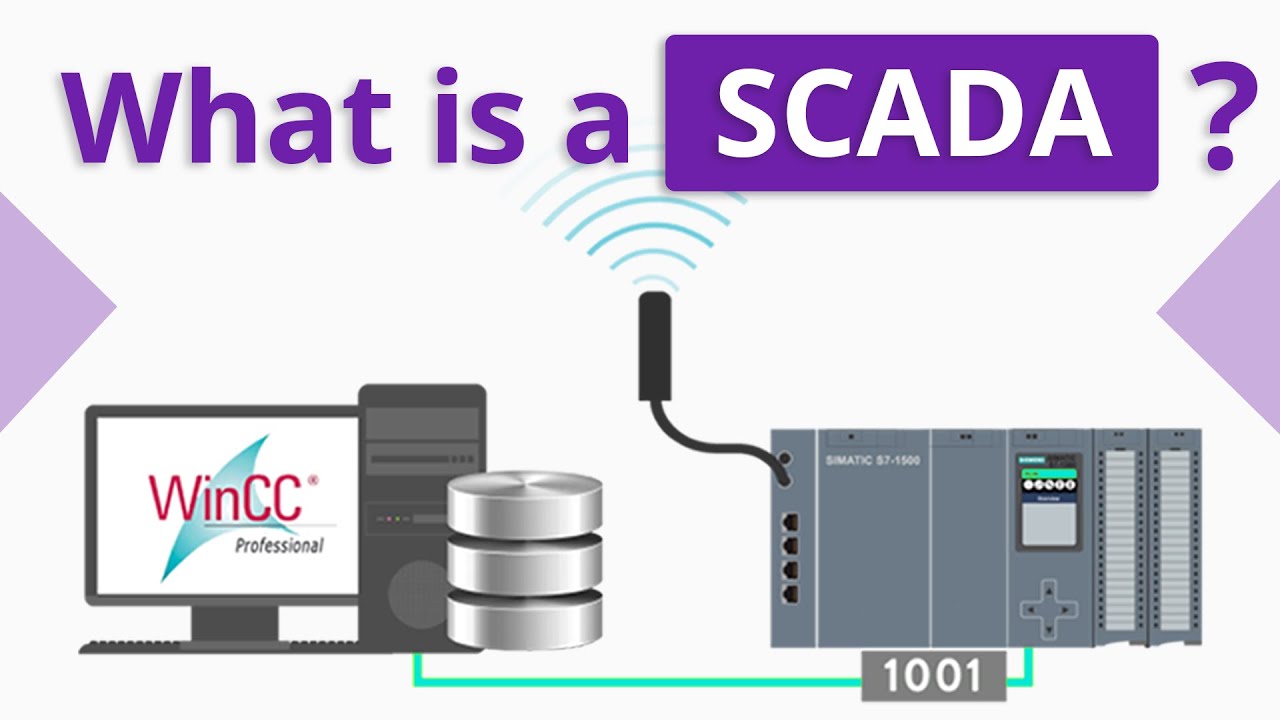
SCADA stands for Supervisory Control and Data Acquisition, which is a type of industrial control system used to monitor and control industrial processes and equipment in real-time. SCADA systems typically consist of sensors, controllers, and human-machine interfaces (HMIs), which are used to collect data from various devices and provide operators with a graphical representation of the data.
A SCADA system is a combination of hardware and software that enables the automation of industrial processes by capturing Operational Technology (OT) real-time data. SCADA connects the sensors that monitor equipment like motors, pumps, and valves to an onsite or remote server.
A SCADA system empowers organizations to:
1. Control processes locally or at remote locations.
2. Acquire, analyze and display real-time data.
3. Directly interact with industrial equipment such as sensors, valves, pumps, and motors.
4. Record and archive events for future reference or report creation.
How Does SCADA System Works?
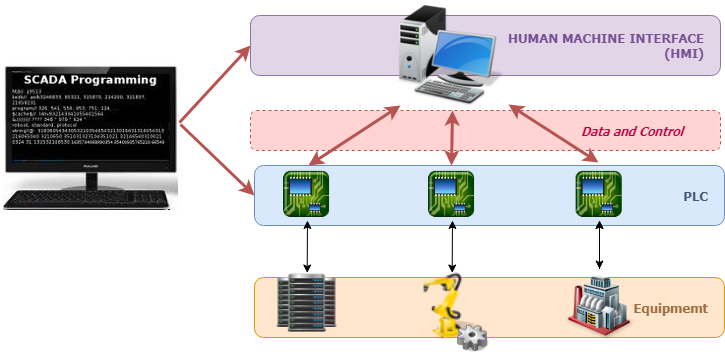
The standard architecture for a SCADA system starts with PLCs or RTUs, which stand for programmable logic controllers and remote terminal units respectively. These are both considered to be microcomputers that are designed to interact and communicate with many different objects, which extend to sensors, HMIs, factory machines, and end devices. These communications and pieces of information are then routed from the objects in question to the computers that have been outfitted with SCADA software.
Once the SCADA software receives the information, the data is then processed, distributed, and displayed, which allows employees and operators to analyze this data and make decisions from it. One example of how SCADA works involves an oil pipeline that has a leak. Once the leak occurs, SCADA will detect the exact location and then transfer this data back to a central location, which helps to alert employees about the leak. This data will also be analyzed by the system. For instance, SCADA will be able to determine if the leak is critical, which could require additional measures to be taken by any nearby staff. The information will then be displayed in an organised and logical manner, allowing employees to read and interpret the information immediately. Being able to skim this information is essential for operators to make rapid decisions.
Another example of how SCADA works involves the manufacture of a specific product. The SCADA system may notify an operator that a specific batch of the product is displaying a high number of errors, which could lead to significant problems if the product is placed on the market before the errors have been corrected. With this notification, the operator can pause the operation momentarily while they look at the data received by the SCADA system through an HMI. This data allows the operator to determine what’s causing the problem. Once the problem has been identified, a correction can be made and future losses can be prevented. A standard SCADA system includes sensors or manual inputs that feed data to the PLC or RTU in the system. This data can then be sent to an operational terminal via an HMI or a workstation.
How to implement a SCADA solution
To implement a SCADA solution, we suggest you follow these steps:
1. Clearly define and understand what you want to monitor.
2. Determine what data you currently collect and how.
3. Start small: pick one set of data and one location to do a proof of concept (POC).
4. Understand what architecture is needed to scale for your needs.
5. Add gateways to connect current data collection points.
6. Create new data collection points if desired.
7. Centralize your data to your intended monitoring location.
8. Map data in your SCADA software of choice.
9. Add visualizations of data and controls.
10. Define automation and rules.
SCADA software then takes over to help you interact with your facility, alert you to issues, inform predictive maintenance, and provide control over a handful, or even thousands of pieces of equipment.
It may seem complicated at first, but the goals are simple. First, connect the things you want to monitor. Then, select the location from which you wish to monitor and control them.
SCADA System Components
A SCADA system comprises various essential elements such as supervisory computers, programmable logic controllers, remote terminal units, human-machine interfaces, and communication infrastructure. Let’s read about these SCADA system components in detail.
Supervisory Computers:
Supervisory computers form the core of SCADA systems and are known for gathering data on the process. These are known for transferring control commands to field-connected devices. These refer to the software and computer that are responsible for communicating with the controllers that connect the field.
Programmable Logic Controllers:
Programmable logic controllers, commonly known as PLCs are connected to actuators and sensors in the process. These are known for being networked to the supervisory system. When it comes to factory automation, these have a connection of high speed to the SCADA systems
In remote applications like a large water treatment plant, these can connect directly to SCADA via a wireless link. These are specially designed for controlling and acted as a founding platform for programming languages.
Remote Terminal Units:
RTU or remote terminal units connected to the actuators and sensors in the process. These are connected to the supervisory computer system through a network. These have control capabilities that are embedded and mostly conform to the programming standard and support automation.
Human-Machine Interface:
HMI or human-machine interface acts as an operator window of the supervisory system. It is known for presenting information on plants to the operating personnel in a graphical manner. These graphical diagrams comprise mimic diagrams which are the schematic representation of the plant which is being controlled, event logging pages, and alarm.
The human-machine interface is linked to the SCADA supervisory computer to drive mimic diagrams, trending graphs, and alarm displays by providing live data. The HMI acts as a graphical user interface for the operators in numerous installations. It collects data from external devices, sends notifications, performs alarms, and creates reports.
Communication Infrastructure:
The communication infrastructure is known for connecting the supervisory computer system to the PLCs and RTUs. They may utilize manufacturer-proprietary protocols or industry standards but both PLCs and RTUs are known for their autonomous functioning on near-real-time process control.
Who uses SCADA?
By providing real-time visibility over the state of assets and operations, SCADA helps business owners and operators make smarter decisions, improve efficiency, and minimize downtime. A huge range of industries uses SCADA including manufacturing facilities, oil and gas operations, and public utilities.
Features Of Modern SCADA Systems
SCADA systems have gone through many technological advancements in recent years, which has allowed for the introduction of some highly beneficial features and components. For instance, modern systems allow for real-time data to be accessed from any remote location in the world, which makes for better decision-making. Most of these systems are also equipped with rapid application development capabilities, which provide users with the ability to design applications with relative ease. The usage of modern IT standards has bolstered the security, reliability, efficiency, and productivity of most SCADA systems. The availability of wireless equipment for these systems has also helped to reduce costs and enhance reliability.
